Home
email
Understanding the Calcium- Phosphorus Ratio
An Introduction to Equine Microflora and Probiotics
Alfalfa for Distance Horses
The Pride Project - How To Speak CBC in One Easy Lesson
How to Condition Score Horses
A formula for energy expenditure
1995-96 Tevis Weight and Body Condition Score study
The Influence of Body Measurements and Condition Score on Performance Results during the 1998 Tevis Cup
Exertional rhabdomyolysis (Tying up)
Rice Bran and the Performance Horse
The Myths and Reality of Beet Pulp
Beet Pulp Safety Warning (aka the famous squirrel story)
Beating the Metabolic Pull
Part 1 - Hydration
Part 2 - Gut Motility
Part 3 - Energy balance
For AVS 303 Students - Class Lecture Notes for Applied Animal Feeding
                            

1995-96 Tevis Weight and Body Condition Score study

Note: Below is the text of the "Tevis study" as published in the journals for the International Conference of Equine Exercise Physiologists (1999). It's fairly dry reading, but hope you find it useful. The follow-up study is also posted on this site at 1998 Tevis Weight and Condition Score study. For those of you unfamiliar with the body condition scoring system, that information (and photographs) can be found at How To Condition Score a Horse.

For those that think "of COURSE weight makes a difference" and have been under the impression that these studies claimed otherwise, please read the conclusions and discussions carefully---the key is not whether weight makes a difference, but how weight makes a difference in endurance horse performance. Best of luck to you in integrating this information into your endurance riding.

RELATIONSHIP OF BODY CONDITION SCORE TO COMPLETION RATE DURING 160-KM ENDURANCE RACES

S.E. Garlinghouse, M.J. Burrill
Department of Animal and Veterinary Sciences
California State Polytechnic University, Pomona, CA USA 91768

Summary

Three hundred sixty horses, primarily of Arabian breeding ranging from 5-22 years and body condition scores from 1.5 to 5.5 (1 to 9 scale as described by Henneke 1985), participated in one of two 160-km endurance races over the same course in August 1995 and July 1996. Condition score, cannon bone circumference, combined rider and tack weight, heart girth and body length were measured 11-18 hours prior to the start of the event and body weight estimated according to the formula by Carroll and Huntington (1988). A rider weight ratio was calculated as a ratio of rider weight divided by horse body weight. Rider weight and rider weight ratio had no effect on overall completion rates among all horses (p>0.05). Among horses successfully completing the course, rider weight and rider weight ratio had no effect on finish time or placing (p>.05). Among horses who were eliminated, rider weight and rider weight ratio had no effect on miles completed before failure (p>.05). Condition scores had a significant effect on completion rate (p<.001). Miles successfully completed increased 19.88 miles for each incremental increase of 1 in condition score (p<.001). Within the group of unsuccessful horses, there was a significant difference in condition score between horses who failed due to metabolic and non-metabolic factors (p<.001). It was concluded that condition score is a more important factor in endurance performance than has been previously believed, and that condition score is a more important factor than is the weight of the rider, or the rider weight in relation to the weight of the mount.

Index terms: body condition score; cannon bone; endurance; weight; exercise; horse.

Introduction

Body condition scoring represents a management tool by which the relative amount of body fat of livestock may be ascertained through visual and tactile assessment. Studies in horses (Henneke et al.1981), cattle (Pedron et al. 1993; Waltner et al. 1993; Domecq et al. 1997) and sheep (Polliott and Kilkenny 1976) have demonstrated a positive relationship between body condition score and improved reproductive and lactation performance.

Horses are usually evaluated for body condition according to the system described by Henneke et al. (1983; Henneke et al 1985), in which fat cover is appraised at six areas of the horse's body. Scores are assigned from 1 to 9, with 1 being extremely emaciated and 9 being extremely fat. The fat cover along the neck, withers, behind the shoulder, ribs, tail head and along the top line are individually evaluated and scores averaged to obtain an overall score. In Australia, Carroll and Huntington (1988) have used a similar system adapted from Leighton-Hardman (1980) which scores from 0 to 5 in ½ point increments.

Studies relating body condition score to equine athletic performance have been extremely limited. Lawrence et al. (1992) reported no significant differences in condition scores between finishing and non-finishing horses competing in an elite 160-km race. Gallagher and coworkers reported that condition scores of Standardbred horses in race training averaged 5.7, while Thoroughbreds had an average condition score of 5.0, but did not relate these scores to performance. The importance of body weight and body fat has received considerable attention in human marathon runners. As a non force-generating component, increased body fat and therefore increased weight load has been correlated to decreased running performance and exercise at a higher percentage of VO2max, which may in turn contribute to earlier fatigue (Cureton 1992). Although the direct effect of body composition on running performance in horses has not been evaluated, studies by Thornton et al (1987) demonstrated that a 10 percent increase in weight load in horses exercising on a horizontal treadmill increased oxygen consumption by 15 percent.

The objectives of this present study were to characterize average condition scores and weight loads in a non-elite population of endurance horses, and to quantify and evaluate the effects of condition score, body weight of horse and rider and cannon bone circumference on athletic performance during endurance exercise.

Materials and Methods

Horses
Three hundred sixty horses (10 stallions, 84 mares, 266 geldings), primarily of Arabian breeding (24 non Arabians) participated in this study. Ages of the horses ranged from 5 - 22 and averaged 11 years. Sixty months of age is the minimum age at which a horse is allowed to enter. Data were collected in August 1995 and July 1996 during the pre-ride veterinary check-in period of the Western States 100 Miles in One Day Trail Ride, traditionally known as the Tevis Cup. Pre-ride check-in is held 11-18 hours prior to the start of the event. The competition originates at the Wendell Robie Equestrian Park (2,333 m elevation) located near Truckee, California, and covers an extremely challenging and rugged 160-km (100 mile) course over the Sierra Nevada mountain range and wilderness areas to the finish line at Auburn, California. Participants must ascend a total of 6,030 m in elevation and descend 7,657 m over often extremely steep, narrow trails which include mud, sand, volcanic rock outcrops and river crossings. Ambient temperatures range between 5 - 50 C.

Data Collection
All participants were given thorough physical examinations by a veterinary committee during the check-in period. Heart and respiratory rates, capillary refill time, hydration, mucous membrane color, and results of auscultation and musculoskeletal examination and other observations were recorded on a rider card carried on the horse through the event. Horses were walked and trotted on firm dirt footing and gait irregularities noted. Horses which did not meet criteria were disqualified from competition prior to the start. During the event, horses undergo veterinary examination at eleven additional checkpoints and are eliminated if they are judged as lame, experiencing metabolic failure, exceed maximum time limits, or otherwise do not meet veterinary criteria. Riders experiencing injury, illness or other difficulties may also voluntarily withdraw from competition.

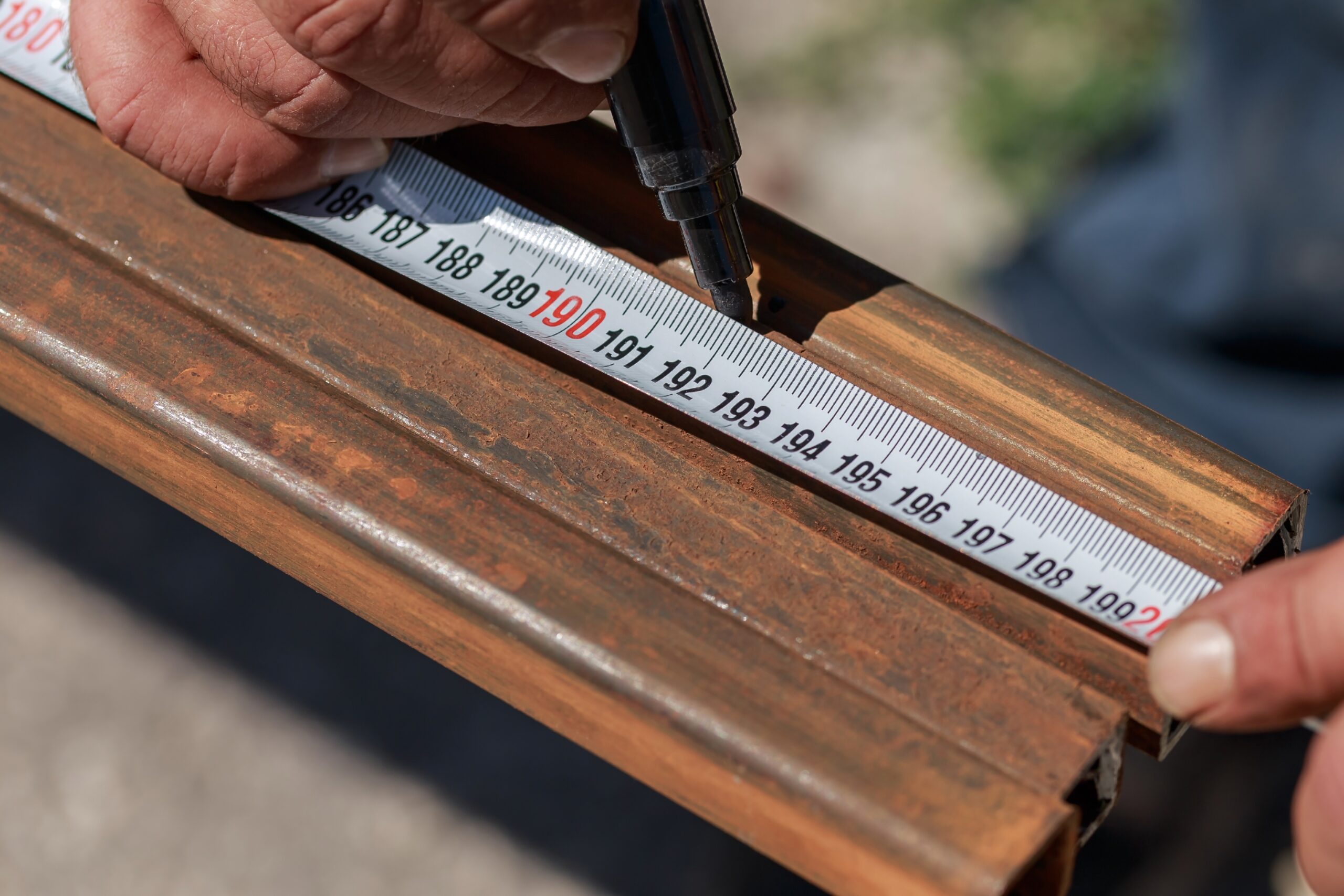
Physical data were collected without tack on level ground immediately after the veterinary examination. Heart girth was measured with a non-stretching plastic measuring tape, positioned four inches posterior to the elbow immediately following expiration. Body length was measured in centimeters from the point of shoulder to point of buttock (tuber ischii). Cannon bone circumference was taken midway between the knee and fetlock joints and included bone, skin, tendon and other associated tissues. Height at the withers was measured with a calibrated measuring stick and level, but due toinconsistencies in the footing, these data could be considered only an approximation.

Body condition scores were assigned after visual and tactile appraisal by an experienced observer according to the method described by Henneke. Rider weights included the weight of all tack and equipment carried on the horse and rider during the event and were collected by a digital scale placed on a plywood board on level ground.

Performance data were recorded by ride management throughout the event and included time to reach and overall placing at each veterinary checkpoint, results of veterinary examination and reason for elimination if the horse was pulled from competition. Reasons for elimination were classified under four categories; Lame (gait irregularities of Grade 2 or more), Metabolic (i.e., colic, heat exhaustion or synchronous diaphragmatic flutter), Overtime (failure to reach the checkpoint before a maximum time allowance) or Rider Option.

Body weights were calculated from previous formulae (Milner and Hewitt 1969; Hall 1971; Ensminger 1977; Leighton-Hardman 1980) utilizing heart girth and body length measurements. This formula is described as (kg) = girth (squared) x length (cm)/Y; where girth is measured immediately posterior to the elbow following expiration, and length is measured from the point of the shoulder to the point of the buttock (tuber ischii). The values used for Y were as reported by Carroll and Huntington (1988), in which horses with condition scores less than 3 (on the Carroll scale) had a higher average value for Y than did horses with condition scores of 3 or above (12265 and 11706 cm3/kg, respectively). Horses with a condition score of 3 on the Carroll scale correlate by description to a condition score of 5 on the Henneke scale utilized for this study. Therefore, in estimating the weights of horses, a Y value of 12265 cm3/kg was utilized for horses with condition scores of 4.5 or below; and a Y value of 11706 cm3/kg was utilized for horses with condition scores of 5 or above.

There were thirty-nine horses which competed in both 1995 and 1996 events. Of these horses, twenty-seven competed with the same rider (or another rider of comparable weight), and at the same body weight and condition score and were therefore eliminated from the second data set to eliminate bias. The remaining twelve horses which participated in both events were included if they satisfied the following criteria: they carried a rider whose weight differed by more than 22 kg; their body weight differed by more than 60 kg; or they had a condition score which differed by more than 1. These horses were considered to be competing under sufficiently different conditions as to be a separate data set.

Ten riders in the sample population voluntarily withdrew from competition under the Rider Option category. These riders were contacted after the event and asked the specific reasons for their withdrawal. Of the ten Rider Option withdrawals, six had voluntarily requested disqualification after injury or illness to the rider. An additional four riders judged their horses to be experiencing physical difficulties associated with either lameness or metabolic failure and requested a voluntary withdrawal from the veterinary committee and ride management. These latter four Rider Option withdrawals were re-classified in the data set as either Lame or Metabolic failures as appropriate.

Rider weights included tack and carried equipment and were considered as a single value. Weight loads were analyzed in three ways: 1) horse body weight independent of the weight of the rider; 2) rider weight independent of the weight of the horse, and 3) a rider weight ratio calculated as rider weight divided by the horse's body weight.

Results

Weight
Data from the two events in 1995 and 1996 were combined after preliminary statistics indicated no significant differences between years (p=.72). Differences between groups were assessed using analysis of variance (SAS®) and Spearman's coefficient of ranked correlations. Regression analysis was utilized to evaluate the effect of condition scores on average miles completed. Mean values ± standard deviation for horse body weight, rider weight and rider weight ratio for all entrants; horses who successfully completed the course (Group S); and horses who were eliminated from competition (Group U) are shown in Table 1.

Table 1. Weight carried during 160-km endurance ride
All Group S Group U
Range Mean Range Mean Range Mean
Body weight (kg)* 318.2-488.2 409.02 ± 34.04 318.2-483.6 404.9 ± 33.23 344.1-488.2 413.8 ± 36.18
Rider weight (kg)** 56.4-118.6 82.97 ± 11.57 56.4-117.3 82.32 ± 11.46 65.3-118.6 85.3 ± 12.27
Rider weight ratio*** .149-.313 .204 ± .03 .149-.313 .20 ± .031 .149-.307 .213 ± .036
* Estimated body weight of horse
** Weight of rider plus tack
*** Weight of tack and rider divided by horse body weight

Among all horses who competed, neither rider weight nor rider weight ratio had an effect on the overall completion rate (p>0.05). Body weight of the horse had an effect on completion rate, in that horses with heavier body mass had a higher incidence of failure due to lameness (p<.001). Among Group S, weight had no effect on the time required to complete the course or on overall placings among all finishers (p>.05). Among Group U, weight had no effect on the miles completed before elimination (p>.05). Condition Scores
Values for condition scores are shown in Table 2.

Table 2. Condition scores within groups
Range Mean
All entries 1.5 - 5.5 4.49 ± .60
Group S 3.5 - 5.5 4.60 ± .53
Group U: 1.5 - 5 3.82 ± .87
Non-metabolic 3 - 5 4.33 ± .42
Metabolic 1.5 - 5 2.88 ± .81

Within Group U, condition scores were significantly different between horses who failed due to metabolic factors and those who were lame (p<.001). Horses who were eliminated for metabolic failure, such as due to colic, heat exhaustion, synchronous diaphragmatic flutter or exertional myopathies, had a mean condition score of 2.88 ± .81. Horses who were eliminated for non-metabolic reasons (lame, overtime or rider option) had a mean condition score of 4.33 ± .42. There were no significant differences between horses who finished within the top ten placings, and those who simply completed the course successfully within time allowances. Completion rates and mean values of miles completed within each condition score group are shown in Table 3.

Table 3. Completion rates, kilometers and miles completed within condition score groups.
Condition
score
N % completedAverage km
completed
Average miles
completed
1.5 4 0.0 35.96 22.35
2.0 4 0.0 41.99 26.10
2.5 6 0.0 53.22 33.08
3.0 21 9.5 85.26 52.99
3.5 23 56.5 86.93 75.79
4.0 88 59.1 121.95 79.85
4.5 84 64.3 141.14 87.72
5.0 118 90.7 157.94 98.16
5.5 12 100.0 160.00 100.0
Condition scores had a significant effect on completion rate (p<.001). No horses with condition score less than 3 were successful in completing, while completion rates for horses with condition score of 3 was 9.5%. Completion rates were highest in horses with condition scores of 5 and 5.5 (90.7% and 100%, respectively). Regression analysis demonstrated that an additional 19.88 miles were successfully completed for each incremental increase of 1 (to a maximum of 5.5) in the condition score (p<.001).

Cannon bone circumference
Mean cannon bone circumference measurements ± standard deviation among Group S and Group U were 18.83 ±.66 cm and 18.88 ± .66 cm, respectively. Among Group U, mean cannon bone circumferences among those pulled for lameness and those disqualified due to metabolic factors were 18.85 ± .67 cm and 18.75 ± .71 cm, respectively. Cannon bone circumference had no effect on completion rates among all horses, or on miles completed before elimination in Group U (p>0.05).

Discussion
Endurance racing has become increasingly competitive and a great deal of attention is paid to regulating rider weight categories, minimum weight load during championship rides and point allowances given to heavier riders. Despite a wide range in weights (Table 1) carried during this competition, this study showed that rider weight—whether described as an independent value, or in relation to the body weight of the horse—did not have a significant effect on endurance performance over a 160-km distance. This would seem to be in contrast to traditionally held beliefs regarding energetics during exercise. It would also seem to disagree with the decreases in human running performance demonstrated by Cureton (1992) when weight loads were increased by 5 percent. Also, work by Pagan and Hintz (1986) indicate that energy requirements increase with weight load, which would suggest that horses carrying a significantly greater weight load would be more prone to fatigue than horses carrying less weight.

A possible explanation may be the relatively low intensity of exercise during long-term endurance exercise. Although muscle glycogen stores may be depleted as much as 50 to 75 percent after extended endurance exercise (Snow and Baxter 1981; Snow et al. 1982), substantial research demonstrates that fats provide the primary source of energy during low-intensity exercise, to the extent that after several hours of sub-maximal work, more than 75 percent of energy production in humans may come from fat catabolism (Edwards and Dill 1934; Gollnick 1985; Gollnick and Saltin 1988 ). At sub-maximal levels, substrate depletion will not be as critical and immediate a factor in the onset of fatigue as it would be in horses exercising at high intensity and contending with lactate accumulation and glycogen depletion. Therefore, it may be that greater weight loads do not have the deleterious physiological effects seen in maximal exercise.

The results of this study did show that weight affects endurance performance in that horses with heavier body weights had lower completion rates due specifically to lameness failure. Traditionally, it has been believed that in general, larger horses would not perform well during endurance competition due to increased energetic costs, or greater heat load dissipation requirements. Our results did not show that body weight had an effect on time to finish, overall placing or disqualification due to metabolic failure, as might reasonably be expected in horses experiencing excessive heat load or excessive substrate depletion. However, the effect between body weight and failure due to lameness indicates that larger horses may not be as suitable for endurance competition for biomechanical reasons. It was interesting to note that despite the wide range of body weights among all horses, measurements of cannon bone circumferences fell within a narrow range and did not proportionately increase as body weight increased. Although there are many other factors which affect lameness, it is a reasonable assumption that if cross-sectional area of the metacarpus does not increase at the same rate as the forces acting upon it, the incidence of exercise-induced trauma and biomechanical failure will also increase.

These findings regarding both rider weight and horse body weight should possibly be taken into account during post-ride veterinary judging, in which horses finishing in the top ten places are examined, additional points awarded as a mitigating factor to horses carrying heavier riders, and a highly coveted Best Condition Award presented accordingly. The results of this study would suggest that rider weight within reasonable limits does not appear to be the handicap to endurance horses that it is currently believed to be. Furthermore, these results would suggest that body weight of the horse should be considered not only in evaluating endurance prospects, but possibly also in judging and awarding Best Condition.

The results of our study demonstrated an average condition score among all horses of 4.49, and of 4.60 for horses who successfully completed the course. These values can be closely compared to the results collected at the 1990 Purina Race of Champions by Lawrence and coworkers, who found mean condition scores among all entries, top competitors and horses who successfully completed but were not competitive of 4.67, 4.43 and 4.77, respectively. While Lawrence's study did not find an effect between finishers and non-finishers due to condition scores, our results found a significant difference. A possible explanation may be because the Purina Race of Champions is composed entirely of horses who have previously competed successfully at high levels, and therefore constituted an elite population. The horses who participated in this study had no such qualifying requirements and were therefore more of a random population. In addition, because of the qualification requirements at the Purina Race of Champions, entry numbers are typically much lower than that of the Tevis Cup ride, resulting in a smaller sample population in Lawrence's study (n = 57). These two factors may be sufficient to explain the differences in results between these two studies.

The significant difference in condition scores in this study between finishing and non-finishing horses provides a strong indication that an optimal level of fatness may exist for horses participating in endurance competition. The further difference in condition scores between horses who were eliminated for metabolic versus non-metabolic failure suggest that condition scores may be related to substrate availability during submaximal exercise. Decreases in body fat and therefore condition score can be obtained through either caloric restriction in the diet or increased energy expenditure during conditioning, or both. Although it is unlikely that an endurance rider would purposely restrict calories, such may in effect be the case in horses who spend a significant amount of time either conditioning, competing or traveling to competitions and therefore without normal opportunities for sufficient energy intake. Horses in a negative energy balance may lose not only body fat but lean muscle mass as well (Forbes, 1985), and this may be a possible explanation of why excessively lean horses experienced more metabolic failures normally associated with fatigue and substrate depletion. While decreased total mass would require less energy to move the body either vertically or horizontally, such a decrease in lean muscle mass would also restrict the force-generating components available to do the work, thereby increasing the work demand on remaining muscle mass to levels higher than that of horses in better condition and with presumably greater muscle mass. This question requires further investigation into the energetics and body composition of endurance horses with varying condition scores.

It was interesting to note that during this study no horses were evaluated with condition scores above 5.5. Although information on individual conditioning regimens among participants was not collected, it can be assumed that the rigorous conditioning program required for participation in a 160-km event would normally result in a relatively low to moderate fat to lean muscle mass ratio, and that horses with condition scores above 6 would experience detrimental effects due to the insulating effect and increased heat load of a heavier fat cover.

We conclude that body condition scoring is more important in endurance horses than was previously believed, and condition score is a much more important factor in predicting endurance performance than is the weight of the rider, or rider weight in relationship to the mount. Body weight of the horse appears to be a factor in incidence of lameness. However, it should be noted that the Tevis Cup event at which data were collected covers a unique and technically challenging course. Before these results can be extrapolated to endurance competition as a whole, further investigation under differing terrain and climatic conditions is warranted.

Acknowledgments The authors wish to thank the Board of Governors of the Western States Trail Foundation, ride director Larry Suddjian, Karen Nelson (for the innitial conversations) and the many endurance horses and riders who supported and participated in this study. Funding was provided by the Diack/Evans Research Trust and the Garlinghouse Equine Research Fund, and this support is gratefully acknowledged.

References
Carroll, C.L., Huntington, P.J. (1988). Body condition scoring and weight estimation. Equine vet. J. 20 (1): 41-45.
Cureton, K.J. (1992). Effects of experimental alterations in excess weight on physiological responses to exercise and physical performance. In Marriott, B.M., Grumstrup-Scott, J. (eds): Body Composition and Physical Performance. Washington, National Academy Press, p. 71.
Domecq, J.J., Skidmore, A.L., Lloyd, J.W., Kaneene, J.B. (1997). Relationship between body condition scores and milk yield in a large dairy herd of high yielding Holstein cows. J. Dairy Sci. 80:101-112.
Edwards, H.T., Margaria, R., Dill, D.B. (1934). Metabolic rate, blood sugar and the utilization of carbohydrate. Am. J. Phys. 108:203-207.
Ensminger, M.E. (1977). Horses and Horsemanship. 5th edn., Interstate Printers and Publishers, Danville, p. 509.
Forbes, G. (1985). Body composition as affected by physical activity and nutrition. Fed Proc 44:343-347.
Gallagher, K., Leech, J., Stowe, H. (1992). Protein, energy and dry matter consumption by racing thoroughbreds: A field survey. J. Equine Vet. Sci. 12 (1):43.
Gollnick, P.D. (1985). Metabolism of substrates: energy substrate metabolism during exercise and as modified by exercise. Fed. Proc. 44:353.
Gollnick, P.D., Saltin, B. (1988). Fuel for muscular exercise: Role of fat. In Horton, E.S., Terjung, R.L. (eds): Exercise Nutrition and Energy Metabolism. New York, MacMillan, p. 72.
Hall, L.W. (1971) Wrights Veterinary Anesthesia and Analgesia. 7th edn., Baillere Tindall, London, p. 176.
Henneke, D.R., Potter, G.D., Krieder, J.L. (1981). A condition score relationship to body fat content of mares during gestation and lactation. In Proceedings of 7th Equine Nutrition and Physiology Symposium, Warrenton, Va, p. 105.
Henneke, D.R. (1983). Relationship between condition score, physical measurements and body fat percentage in mares. Equine vet. J. 15 (4): 371-372.
Henneke, D.R. (1985). A condition score system for horses. Equine Practice 7 (8):13-15.
Lawrence, L.M., Jackson, S., Kline, K., et al (1992). Observations on body weight and condition of horses in a 150-mile endurance ride. J. Equine Vet. Sci. 12:320-324.
Leighton-Hardman, A.C. (1980). Equine Nutrition, Pelham Books, London, p. 9-17.
Milner, J. and Hewitt, D. (1969). Weights of horses: improved estimates based on girth and length. Can. Vet. J. 10:314-316
Pagan, J.D., Hintz, H.F. (1986). Equine energetics: Relationship between body weight and energy requirements in horses. J. Anim. Sci. 63:815-821.
Pedron, O., Chele, F., Senatore, E., Baroli, D., Rizzi, R. (1993). Effect of body condition score at calving on performance, some blood parameters, and milk fatty acid composition in dairy cows. J Dairy Sci. 76:2528-2535.
Polliott, G.E. and Kilkenny, J.B. (1976). A note on the use of condition scoring in commercial sheep flocks. Anim. Prod. 23:261.
Snow, D.H., Baxter, P. (1981). Muscle fiber composition and glycogen depletion in horses competing in an endurance ride. Vet. Rec. 108:374.
Snow, D.H., Kerr, M.G., Nimmo, M.A., et al (1982). Alterations in blood, sweat, urine, and muscle composition during prolonged exercise in the horse. Vet. Rec. 110:377.
Thornton, J., Pagan, J. Persson, S. (1987). The oxygen cost of weight-loading and inclined treadmill exercise in the horse. In Gillespie, J.R., Robinson, N.E. (eds): Equine Exercise Physiology 2. Davis,California, ICEEP Publications, p. 206.
Waltner, S.S., McNamara, J.P., Hillers, J.K. (1993). Relationships of body condition score to production variables in high producing Holstein dairy cattle. J Dairy Sci. 76:3410-3419.


Copyright Susan Garlinghouse, 1998.